eBooks
97 Books foundWelcome to the TEFQI Public Domain Literature Library
This catalogue brings together 97 works of English-language fiction from the 18th to early 20th centuries, all freely available as public-domain texts. Each entry includes a title, author, publisher, subject keywords, target-reader note, and an editorial commentary that examines the work's language, structure, and themes. The library is designed for readers who want to explore historical fiction, adventure, mystery, and social comedy without commercial interruption.
Browsing the Catalogue
The catalogue is organised into four thematic categories: Exploration Survival Adventure Tales; Fairy Tales Myths Imaginary Worlds; Science Fiction Utopias; and Historical Psychological Social Fiction. You can navigate by category or use the full book list. Each book page contains the full record and the editorial note.
What a Book Record Contains
Every record provides the exact title and author as published, the originating digital source (Project Gutenberg), subject keywords drawn from Library of Congress standards, a target-reader indication, and a signed editorial note by the catalogue project. The note highlights notable features such as narrative voice, recurring imagery, structural choices, and thematic tensions, without claiming exhaustive analysis.
Source Attribution
All texts in this catalogue are sourced from Project Gutenberg, a trusted repository of public-domain works. The editorial commentary is original to this library and reflects the catalogue project's reading of the supplied excerpts. No text has been altered or abridged; the catalogue does not claim to represent the complete works of any author.
Three Practical Reading Paths
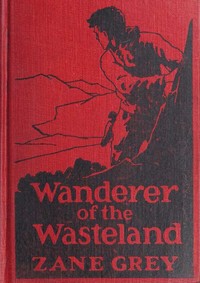
Path 1: Start with Adventure — Begin with Rancho Del Muerto, and Other Stories of Adventure (id 227) for varied action writing, then move to The Romance of War (id 258) for military historical fiction, and finish with Wanderer of the Wasteland (id 307) for Zane Grey's psychological desert drama.
Path 2: Explore Mystery and Suspense — Try Bull-dog Drummond (id 220) for post-WWI thriller, then The Peacock of Jewels (id 263) for classic detection, and The Man on the Other Side (id 309) for spiritualist rural suspense.
Path 3: Delve into Social and Psychological Fiction — Read The Hungry Heart (id 215) for marital realism, A Gray Eye or So (Complete) (id 230) for ironic social comedy, and Riceyman Steps (id 288) for Bennett's miserly domestic tragedy.
Categories as Navigation Aids
The four categories group works by broad affinities, but many titles cross boundaries. A novel about war may also explore psychological interiority; an adventure may contain social satire. Treat the category labels as starting points rather than fixed judgments. The editorial notes often discuss how a work relates to categories beyond its assigned one.
Bibliographic dates and catalogue measurements
The catalogue distinguishes the Project Gutenberg digital release from a work’s original or first publication. Project Gutenberg is identified as the digital source for the edition available here; its release year is therefore shown as Gutenberg Release Year, not as the work’s original publication year.
When an explicit first-publication or issue date can be supported directly by the title or issue information, it may be shown separately as First Publication Year. When that date cannot be confirmed, the catalogue displays Not confirmed rather than guessing a year.
Where the source text can be measured reliably, the catalogue may provide word count and estimated reading time. These measurements describe reading scope and are not quality rankings.
The current catalogue contains 4 active subject categories: Exploration Survival Adventure Tales, Fairy Tales Myths Imaginary Worlds, Science Fiction Utopias, and Historical Psychological Social Fiction. Categories are browsing aids and may overlap where a work reasonably fits more than one subject.

- Featured